The winners from the previous Jam in the Archives events, Dundee’s Team Coda from Abertay and Team Aberdeen, travelled with the organisers to the National Library of Scotland for the final jam last month. Jam in the Archives is all about helping shape the wider alignments of universities, archives, libraries, galleries & games in making a shared case for creative innovation.
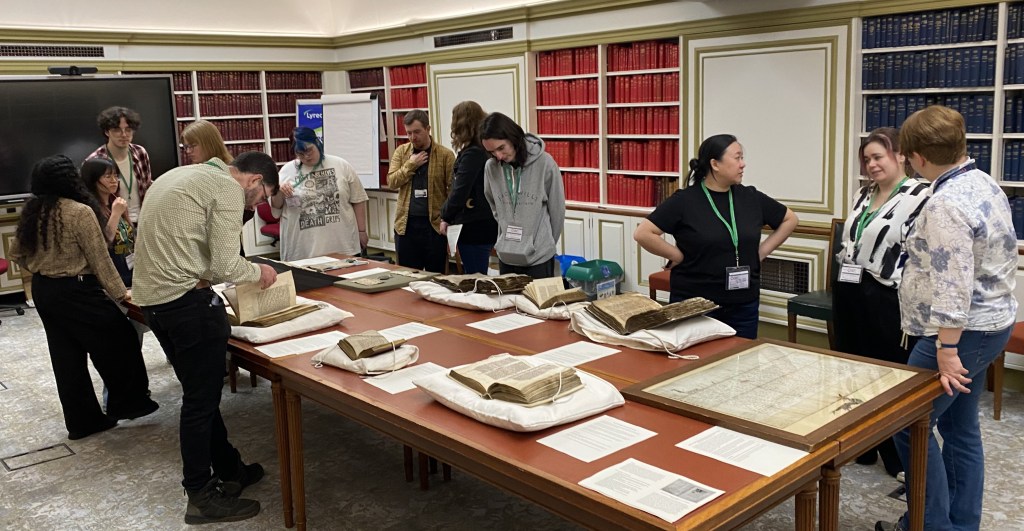
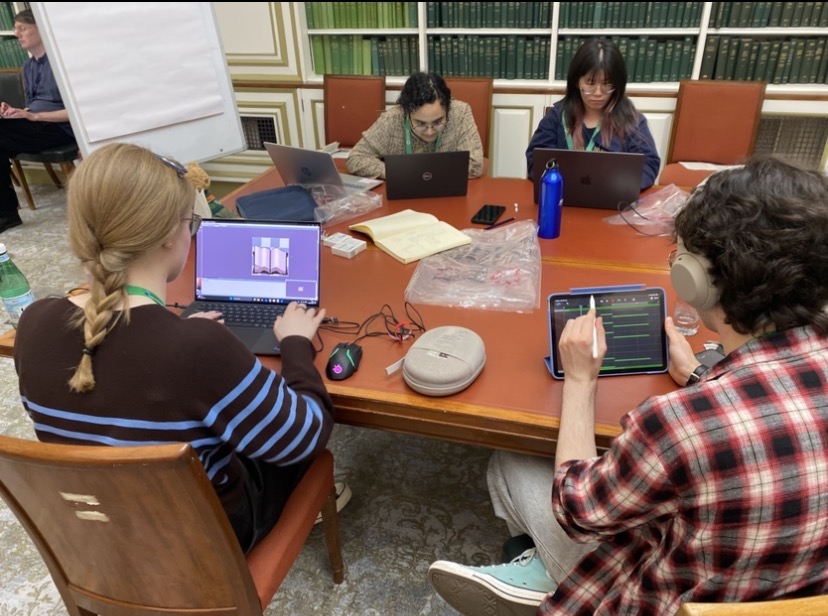
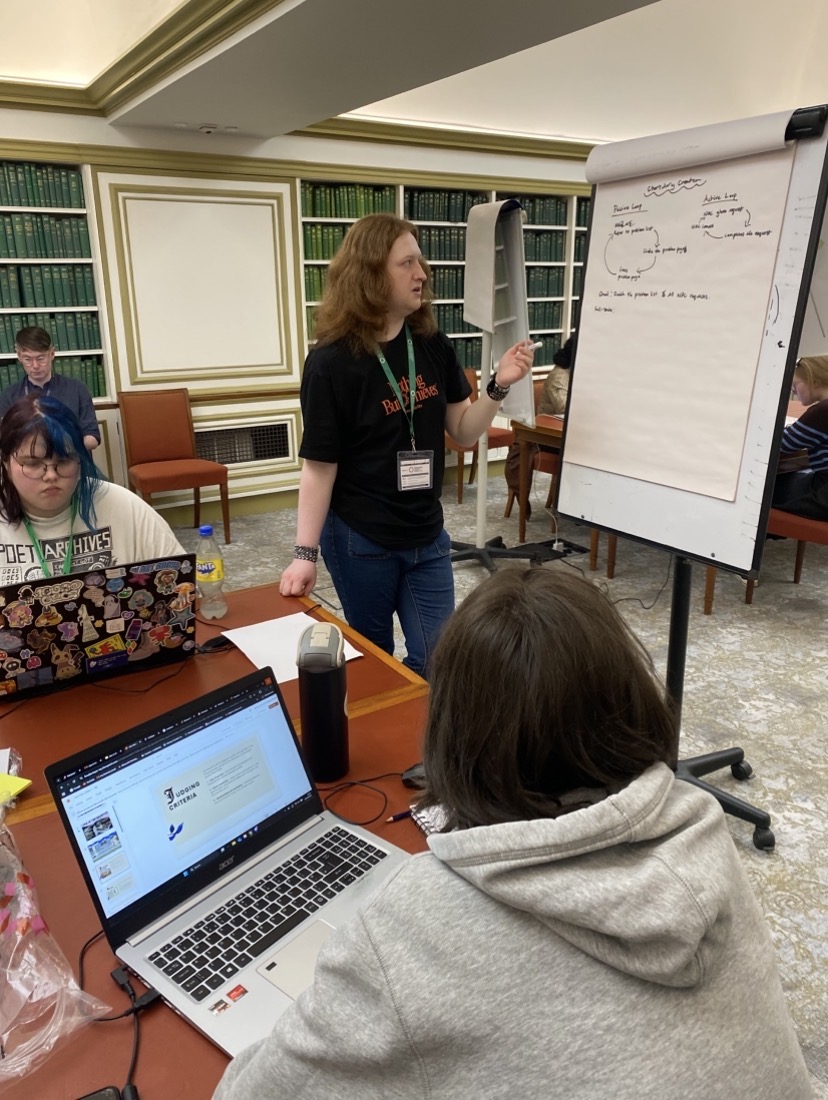
The challenge was to make games inspired by the historical collections held in the NLS. The student teams from Dundee and Aberdeen were judged on a playable game loop or a game concept with a robust plan for development. As in the preceding jams, they worked over two days, and they pitched their games to a panel of judges drawn from different areas of expertise.
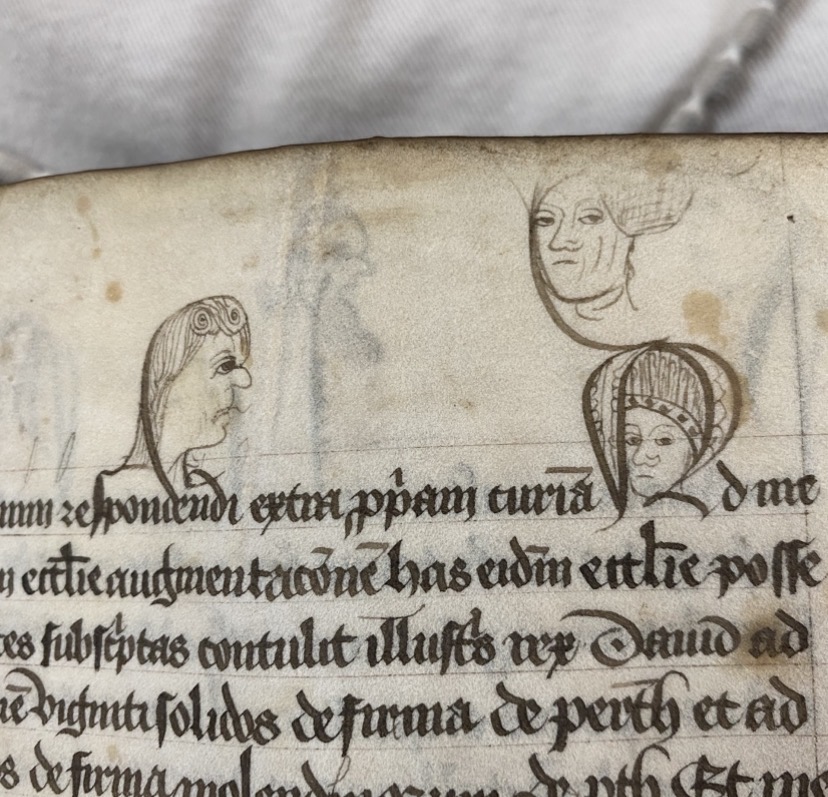
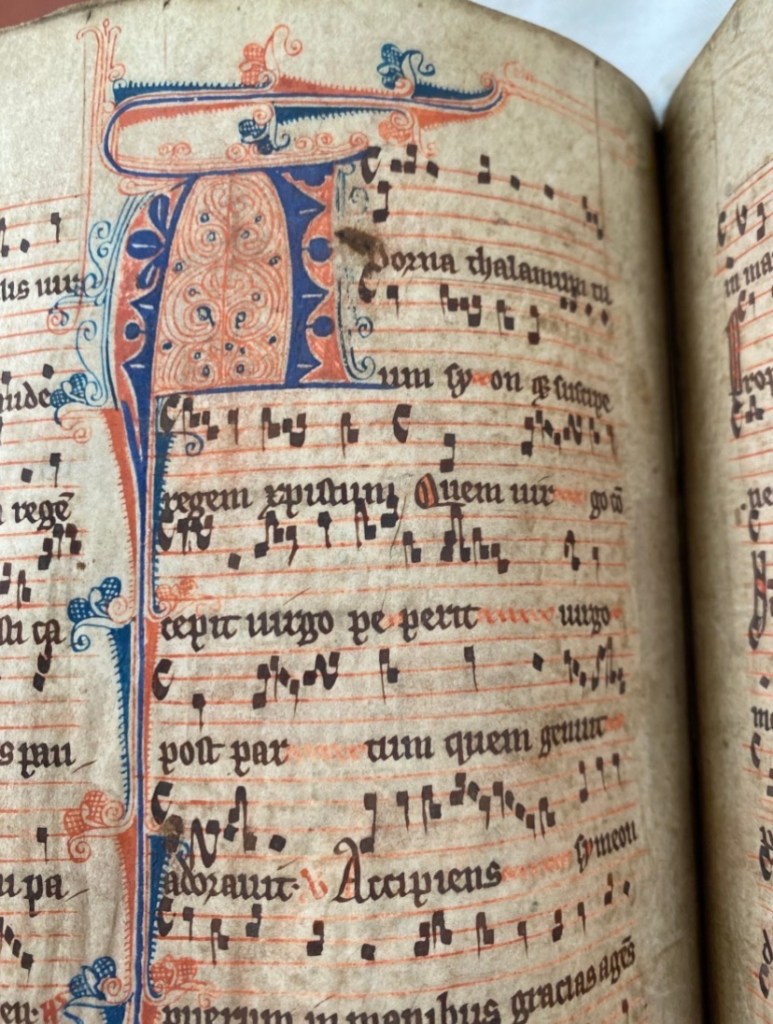
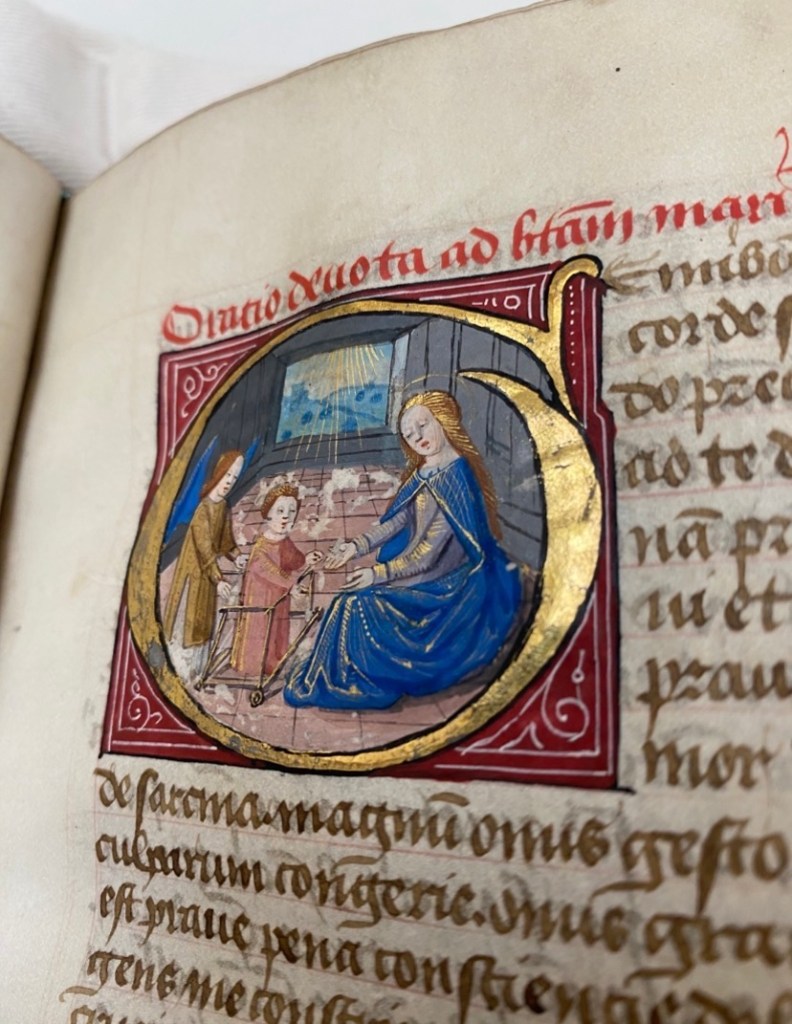
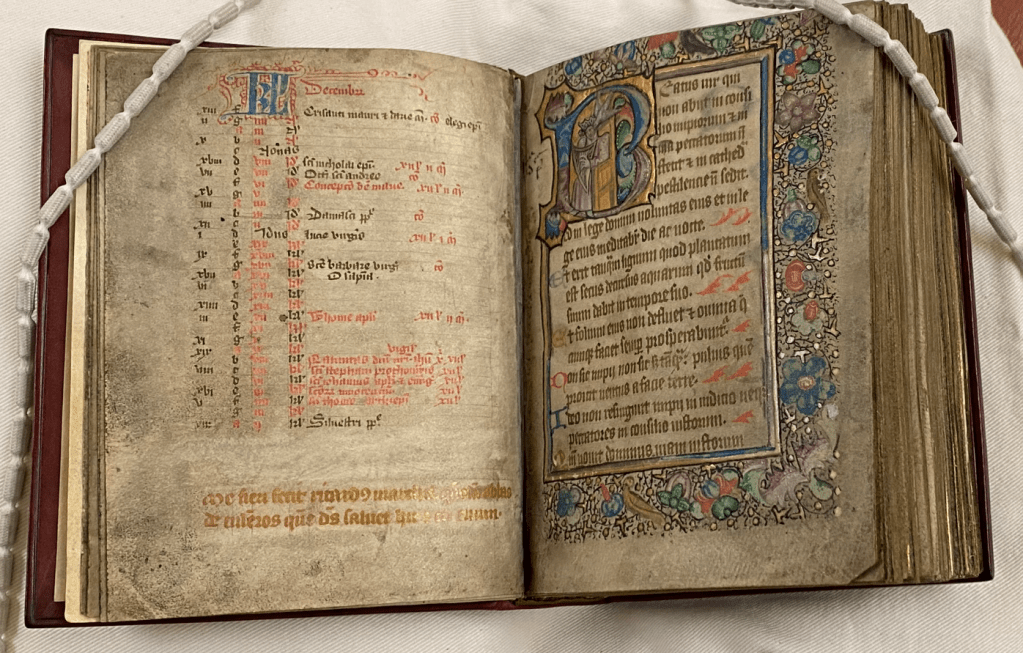
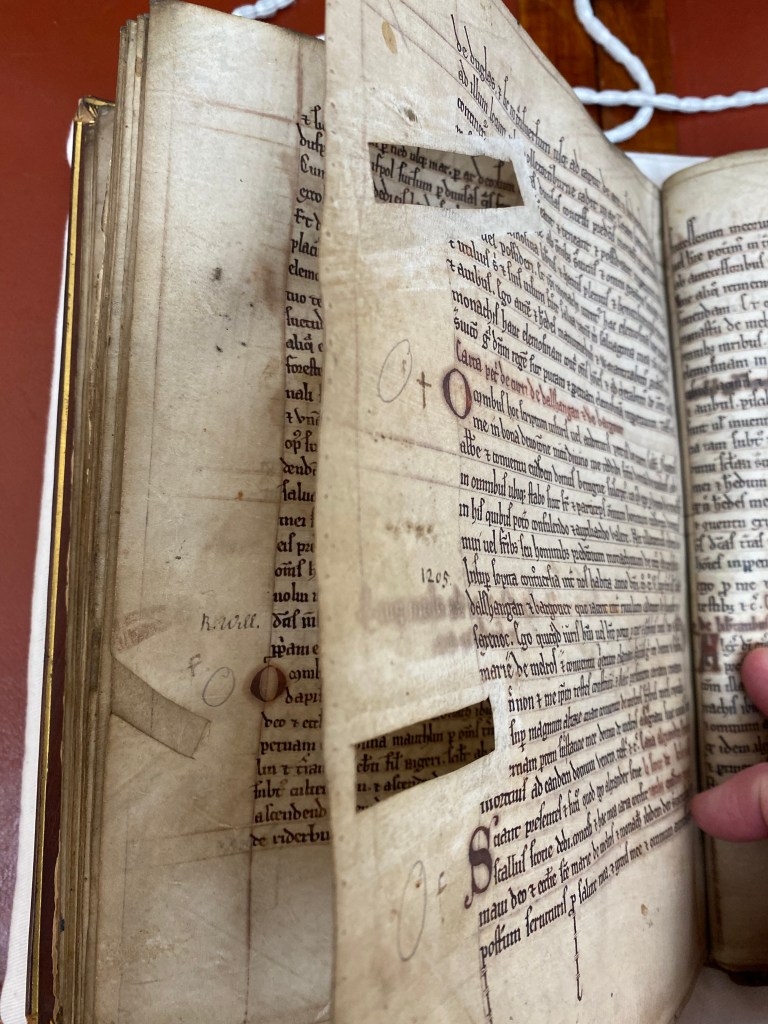
The teams explored medieval manuscripts curated around the theme of uncovering women’s stories in historical collections. The items included the Herdmanstoun Antiphonal (c.1300), selected charters of the Oliphants of Gask (including one issued by King William the Lion of 1173 × 1182 ), the Lesmahagow Missal (13th cent.), the Melrose Abbey chartulary (13th cent.), the Blackadder Prayer Book (15th cent.), the Culross Psalter (15th cent.), the Scone Abbey chartulary (15th cent.), the Bishopric of Moray chartulary (13th-16th cent.), and more. They were curated in a project led by Julia Vallius in 2024 which led to the first Jam in the Archives in Aberdeen in 2025.
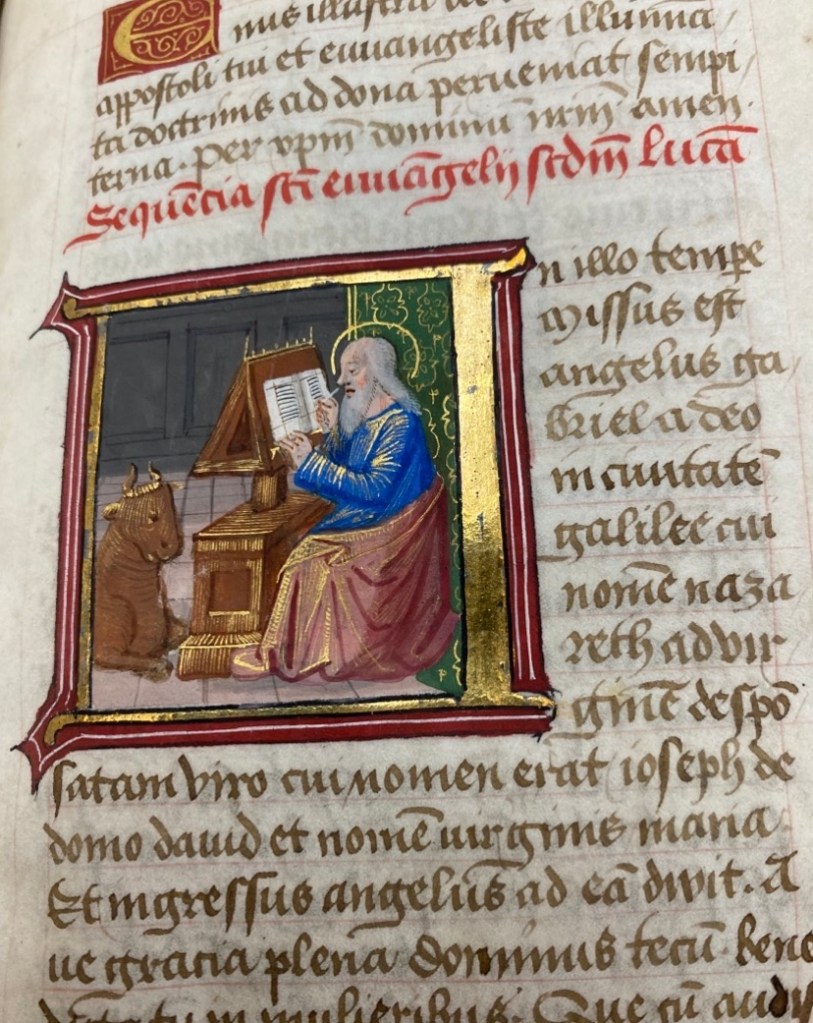
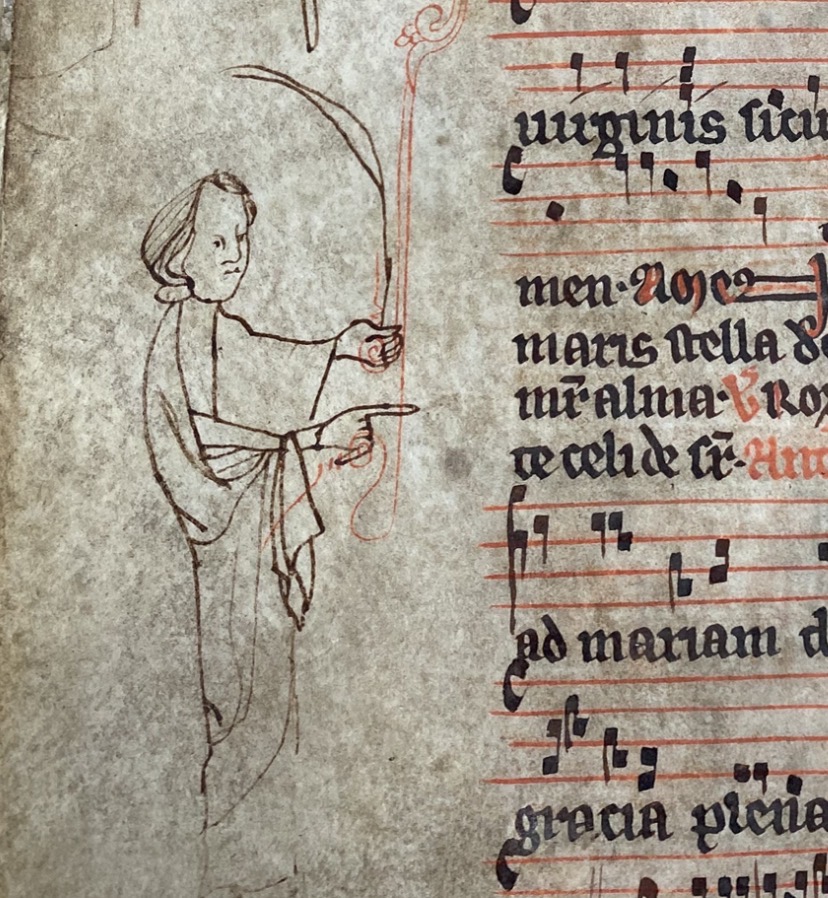
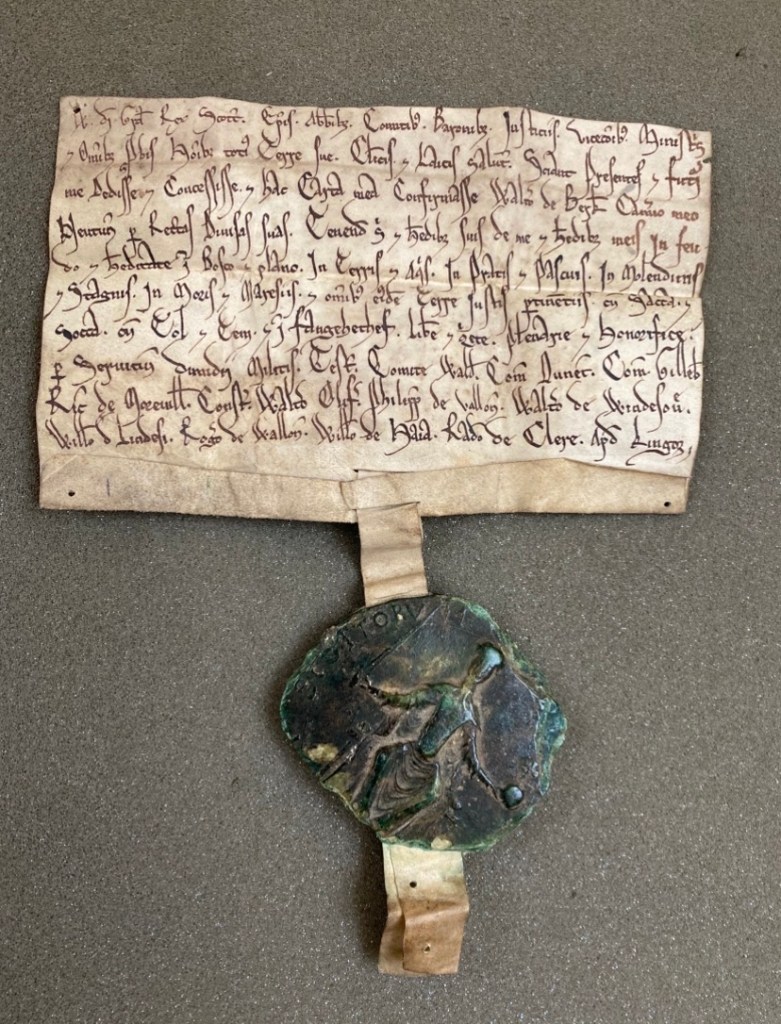
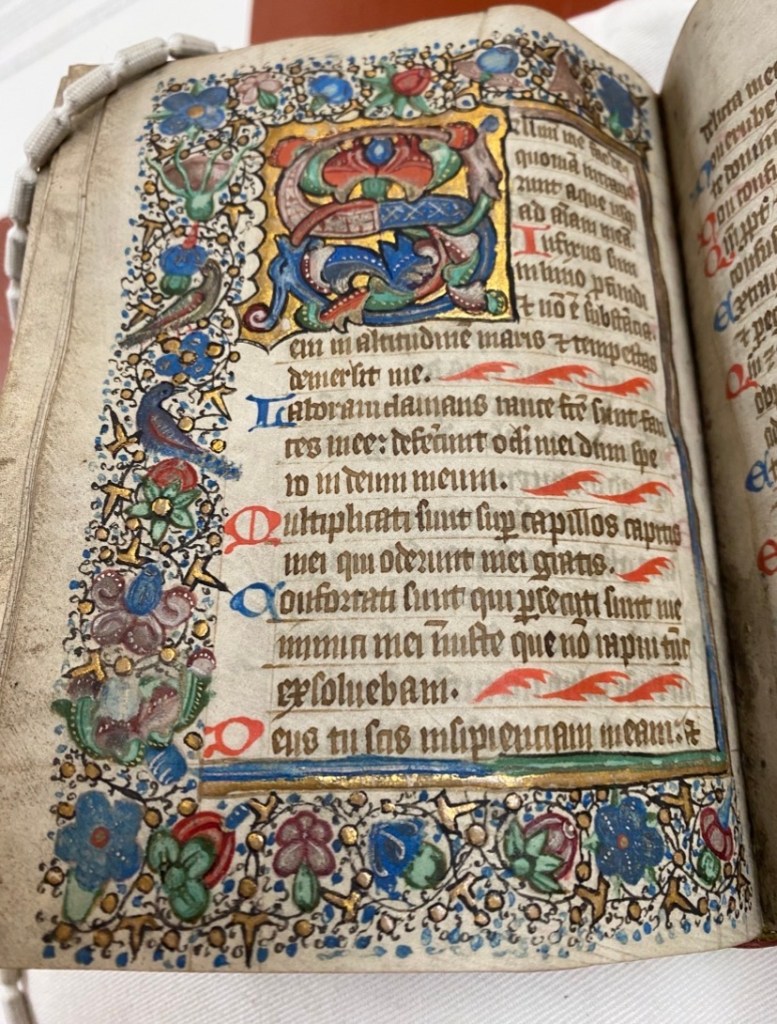
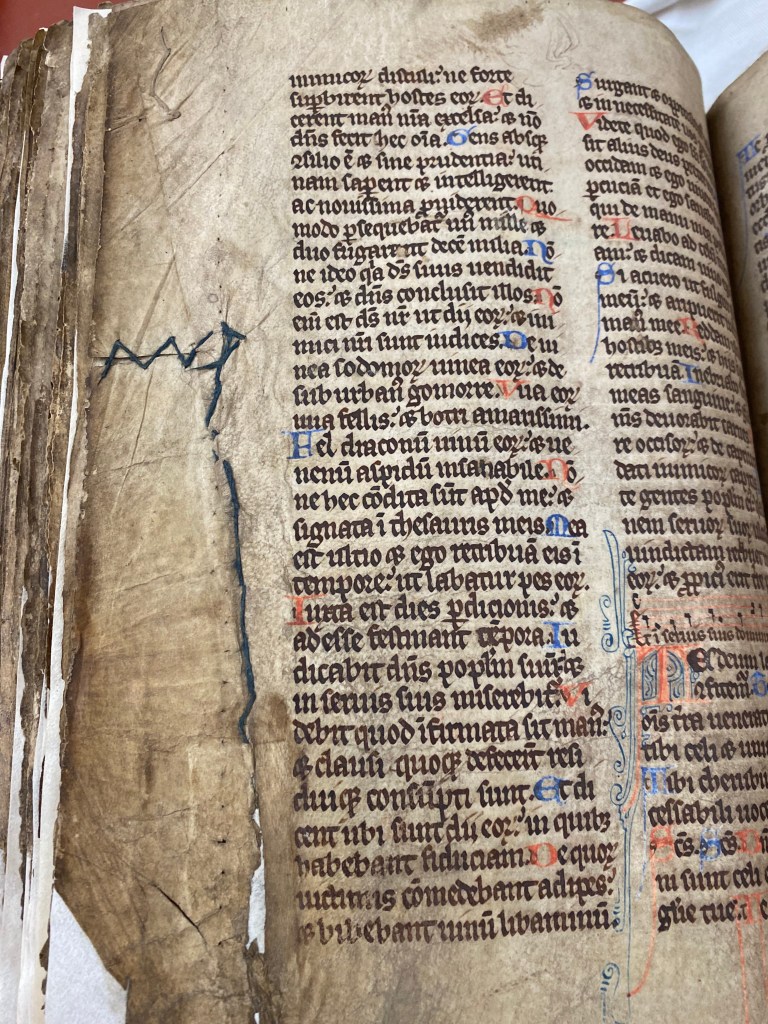
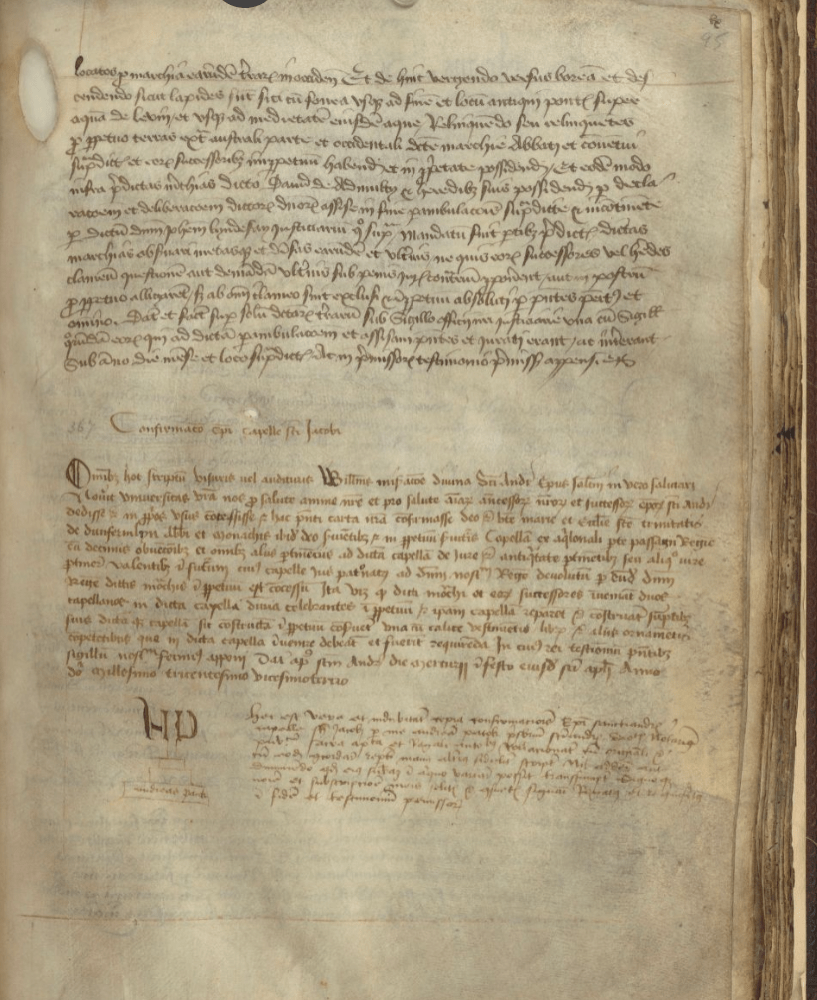
On the second day the teams pitched their game concepts, to judges Jamie McIntosh (NLS) and Neil Gregory (Historic Environment Scotland).
The runners-up were Team Aberdeen (Caitlin Thaeler, Fariha Ibnat, Rebekah Leslie & Oliver Rowan), with their game ‘Marginalised’.
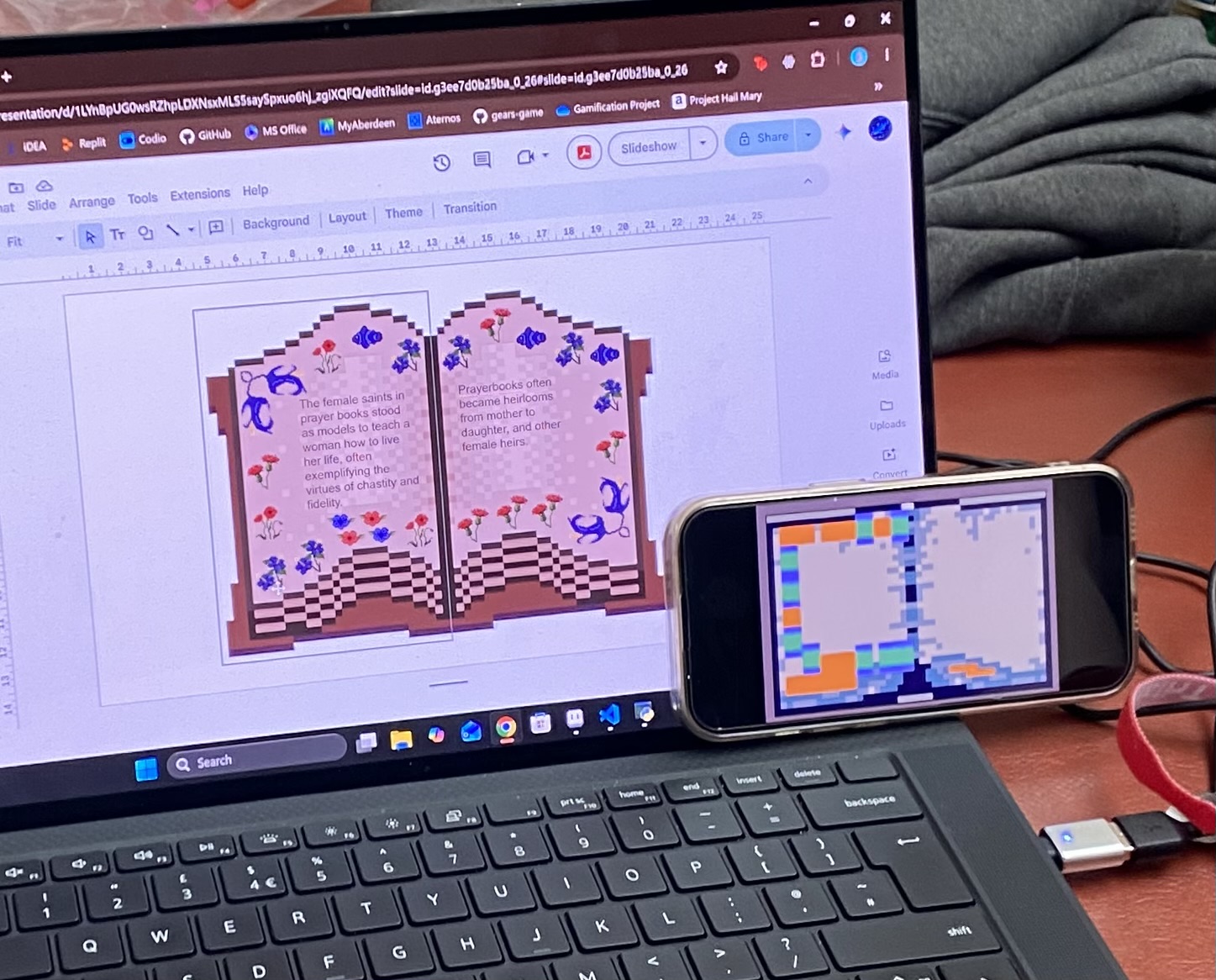
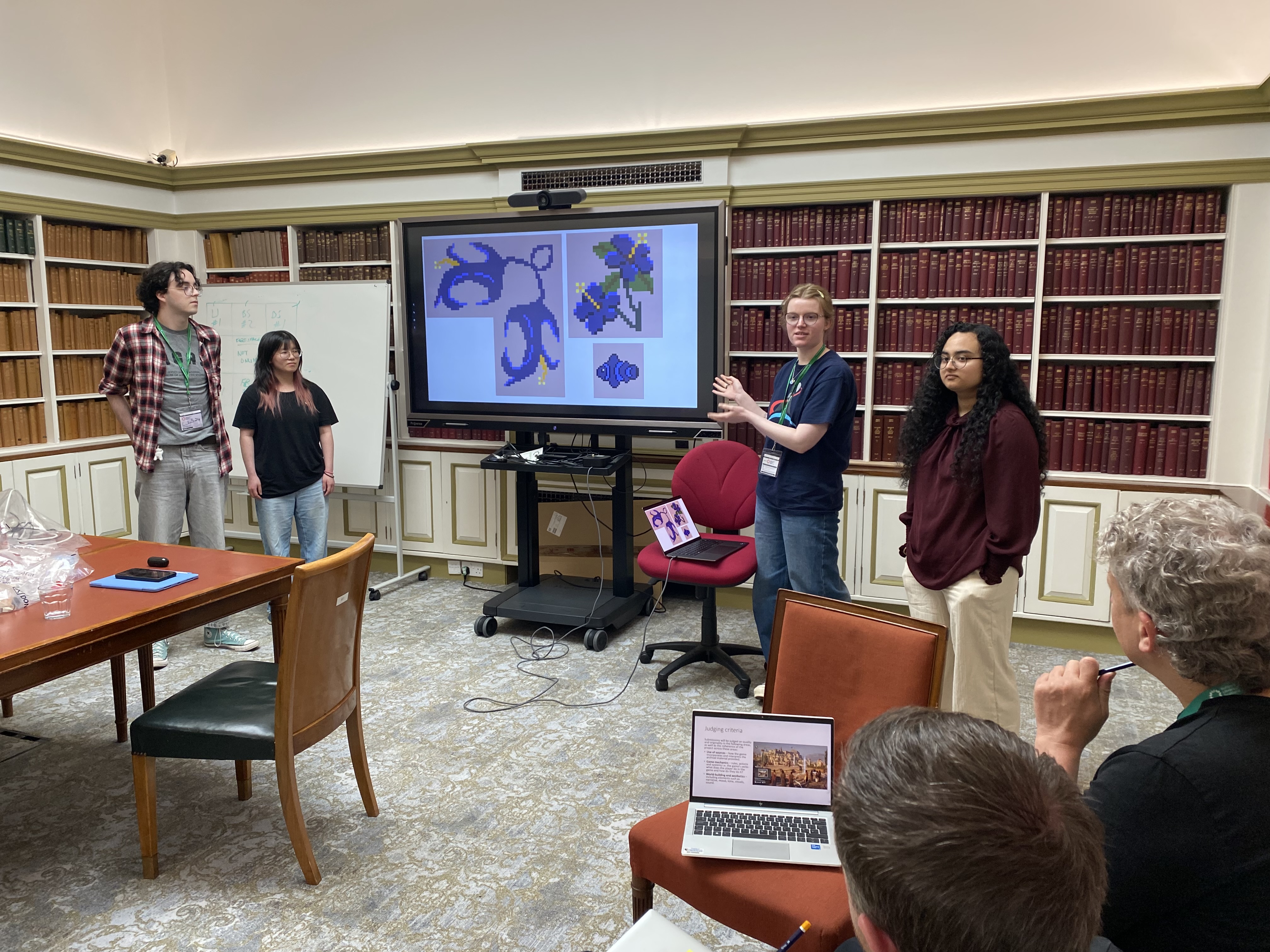
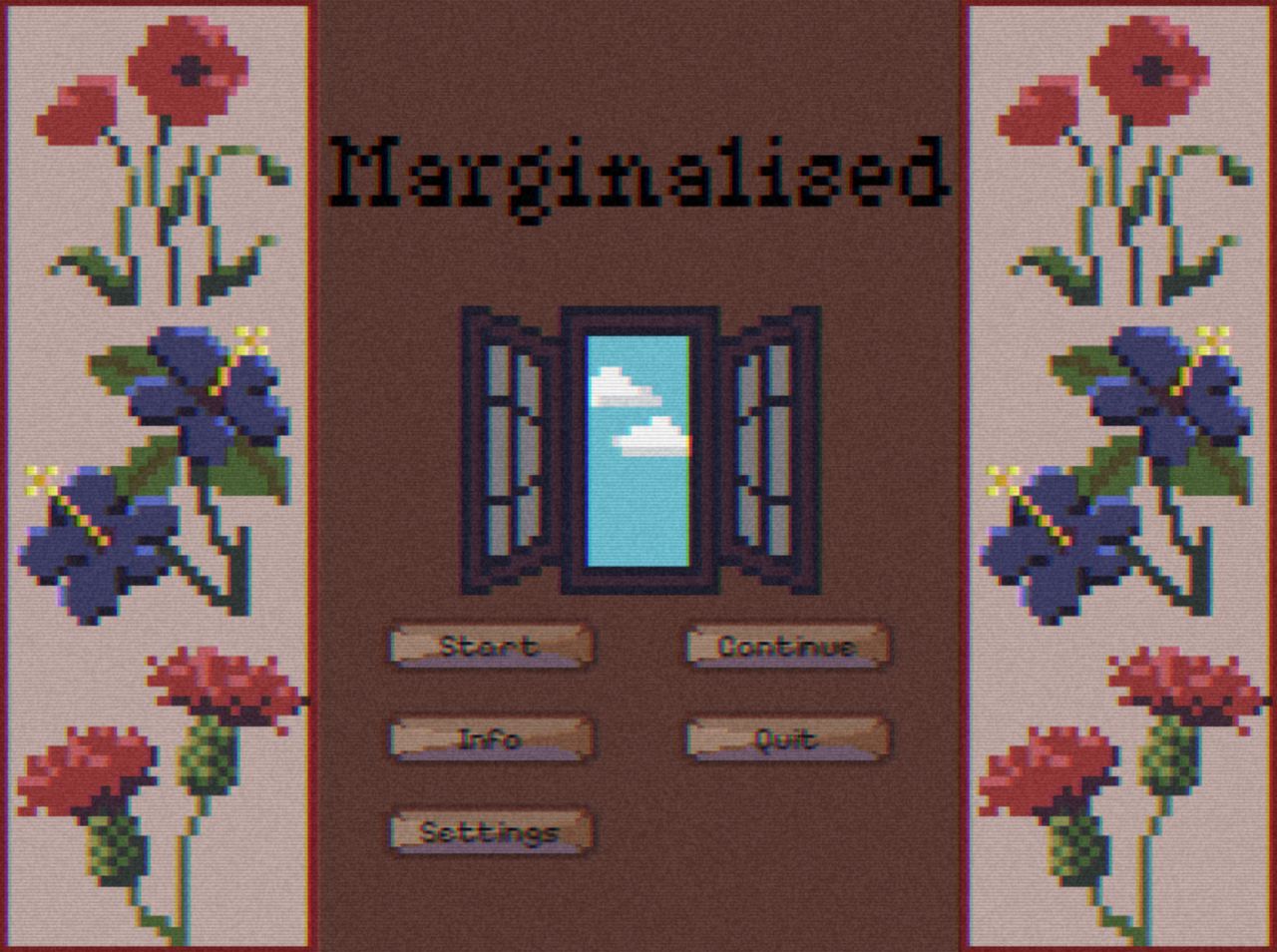
Marginalised (Team Aberdeen)
The pun in this game’s title refers to its focus on the marginal decorations of medieval prayer books as well as the theme of how historical records marginalise women, drawing on the items presented at the NLS as well as the team’s engagement with scholarly reading on women and medieval manuscripts. Players work through a puzzle which represents in abstract form the illumination of manuscript margins, drawing on academic research about how prayer books could reflect women’s devotional practices and interests. Trust points accumulated as the player progresses are used to unlock entries on historical topics underpinning the game, weaving findings from historical research into the game’s reward structure.
The winners were Team Coda from Abertay (Emily Wilkins, Rebecca Taylor, Connor Adamson), with their game ‘Maintenance Monk’.
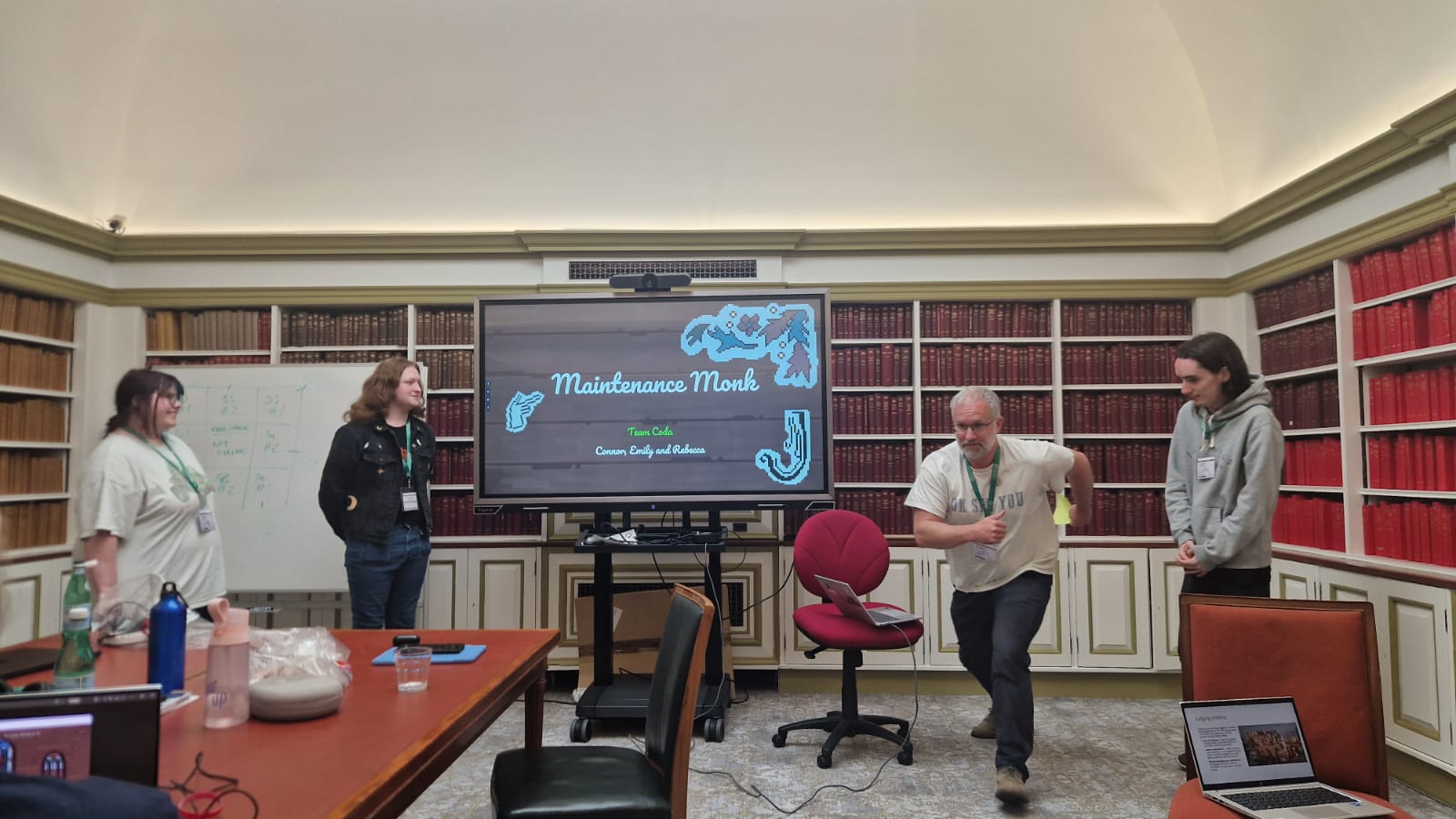
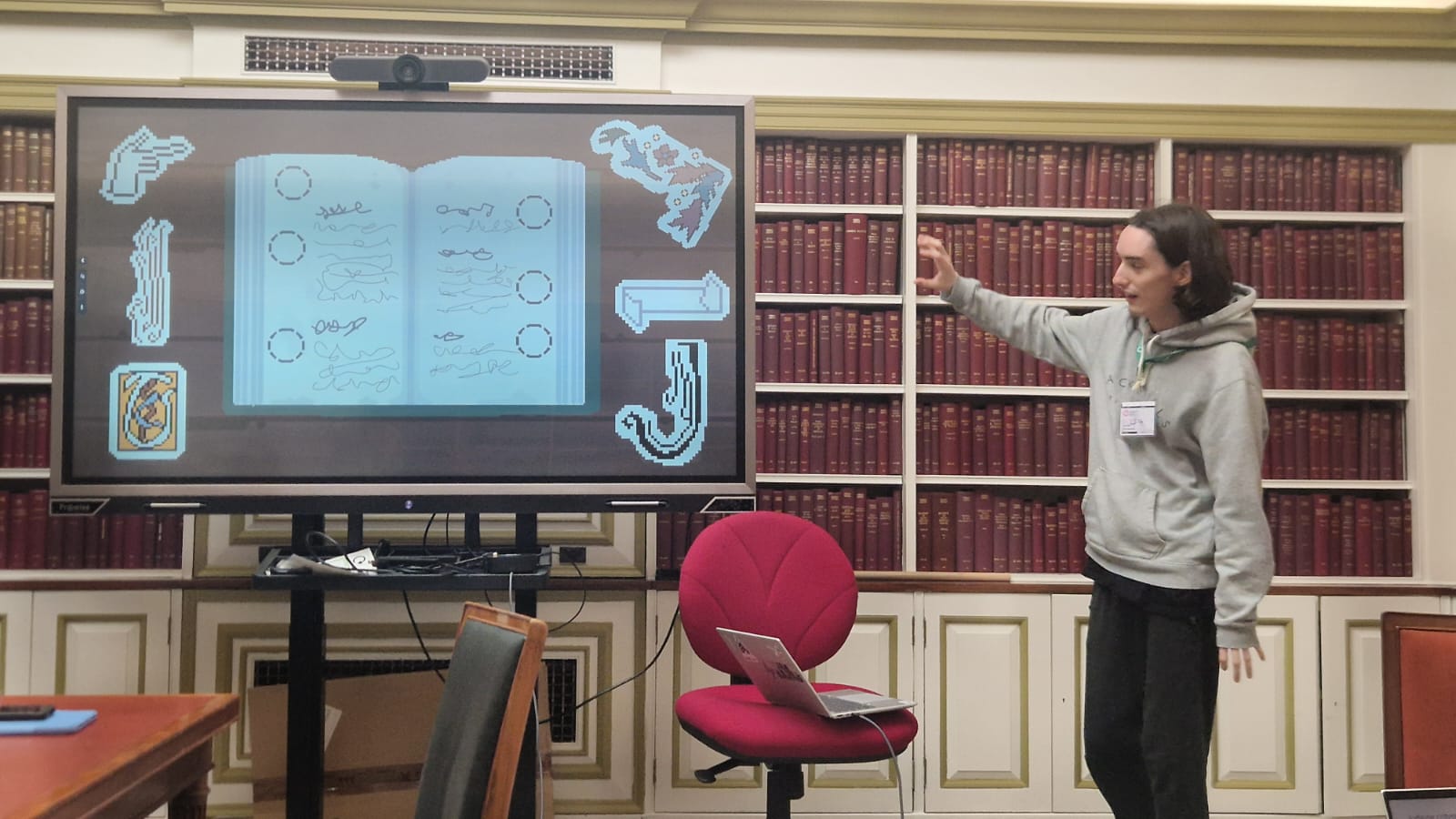
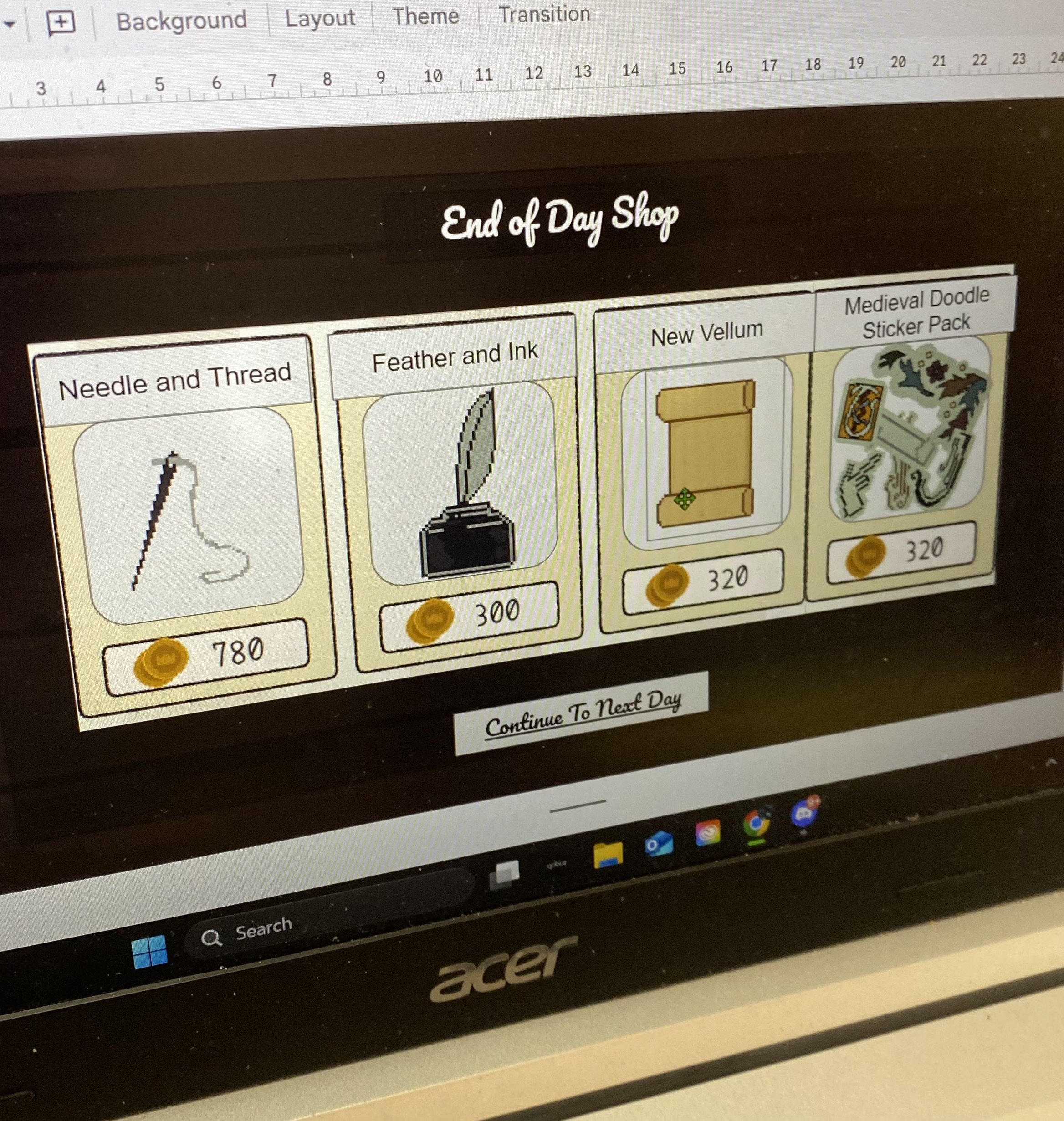
Maintenance Monk (Team Coda)
This game takes its inspiration from medieval cartularies, particularly that of Dunfermline Abbey, casting the player as a monk responsible for both repairing existing manuscripts and adding new records to a growing cartulary. Progression is built around a reputation system, with a stronger standing attracting customers of higher social status to have their muniments copied. The work of manuscript maintenance and registration of new charters is represented by minigames such as stitching damaged pages or adding new charters in a mini-game inspired by Operation which captures the precision and care demanded by the work.
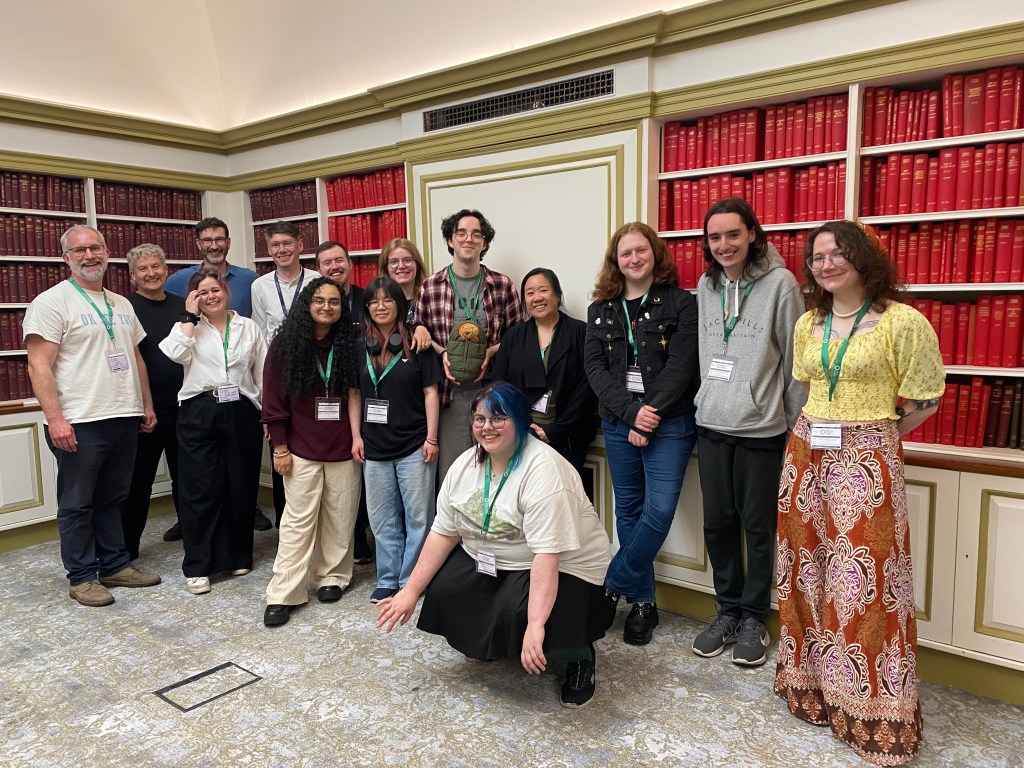
Jam in the Archives was funded by Impact & Engagement Accelerator Funding from the University of Aberdeen. It was led by Jackson Armstrong, William Hepburn and Miles Everett (Aberdeen), alongside Kayleigh MacLeod (Abertay), with coordination by Melissa Tan as IEAF Postdoctoral researcher at Aberdeen.
Warmest thanks are due to all the participants, judges, and to Chris Cassells, Jamie McIntosh, and Ulrike Hogg of the NLS.
The winning games from Jam in the Archives will be demonstrated at the upcoming ‘Drop in and Play’ showcase at the DCA, Dundee, in September 2026.
Find the University of Aberdeen news item here.


Pingback: Jam in the Archives: Aberdeen and Dundee editions | aberdeen registers